Videos

Video Description

The Origin of Carbon Trading

The Origin of Carbon Trading

The most direct factor affecting global warming is the excessive emissions of greenhouse gases. Greenhouse gases allow visible light to pass through but absorb infrared and ultraviolet rays, leading to a continuous rise in Earth’s temperature. To address this issue, there is only one method, which is to reduce carbon emissions.

The Origin of Carbon Trading Read More »

什麼是碳交易【一】减排交易

What is Carbon Trading: Part One – Emission Reduction Trading

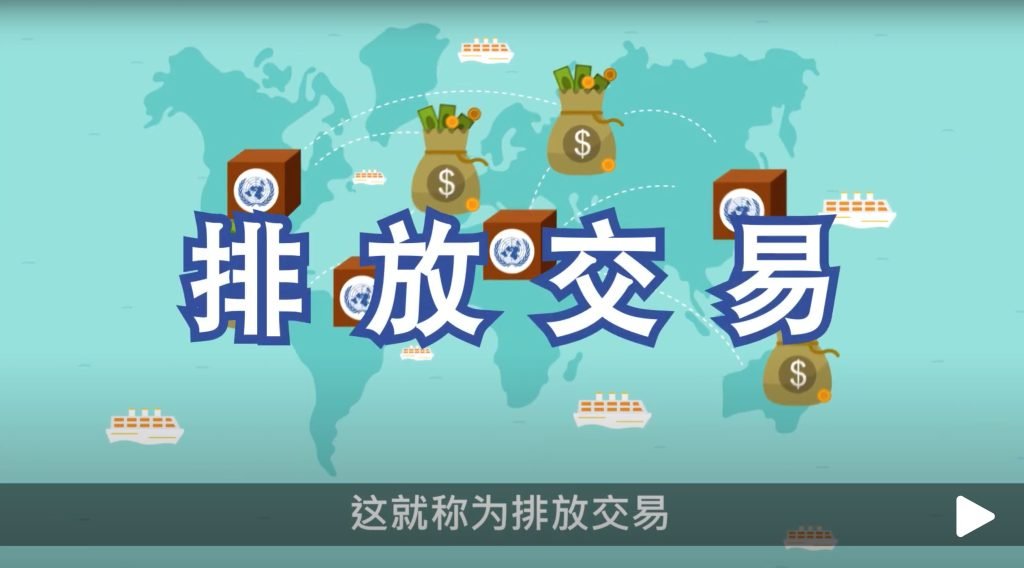
The United Nations Framework Convention on Climate Change establishes legal provisions for market mechanisms known as greenhouse gas emission rights trading (also called emission reduction trading). Six greenhouse gases must be reduced: including carbon dioxide (CO2), methane (CH4), nitrous oxide (N2O), hydrofluorocarbons (HFCs), perfluorocarbons (PFCs), and sulfur hexafluoride (SF6).

What is Carbon Trading: Part One – Emission Reduction Trading Read More »

What is Carbon Trading: Part Three – Clean Development Mechanism

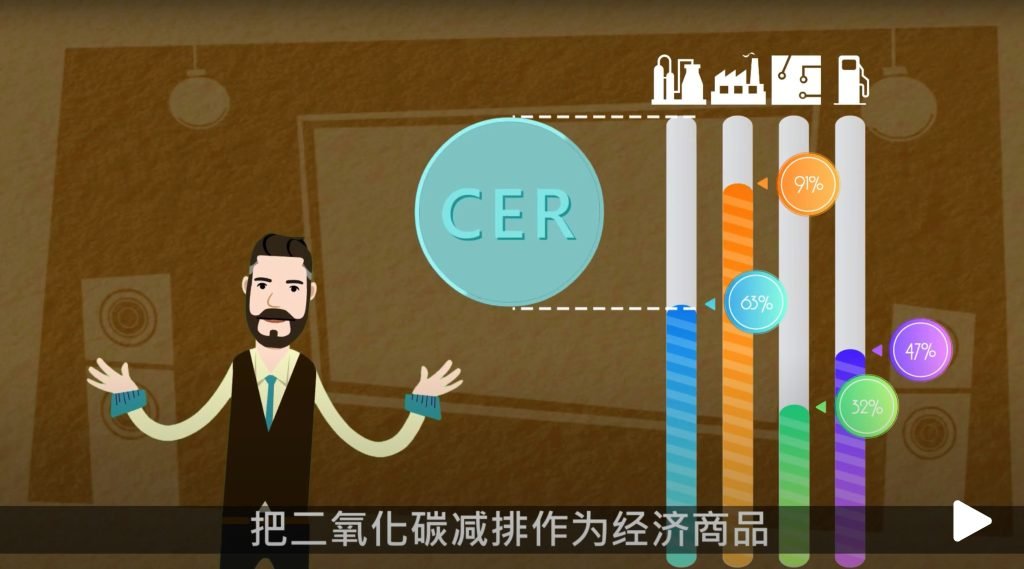
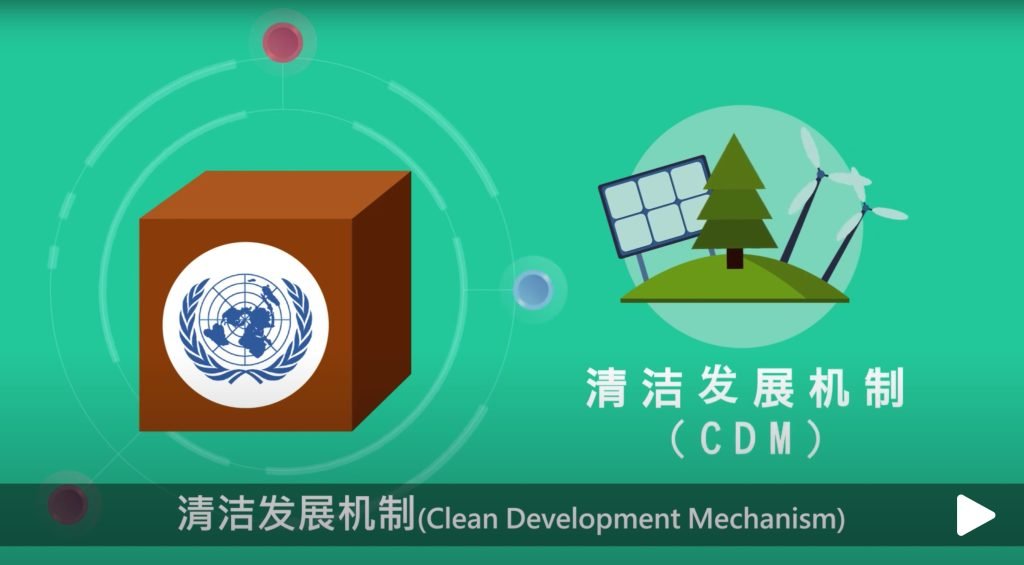
In the operation principle of the Clean Development Mechanism (CDM), developed countries with emission reduction commitments provide advanced environmental technologies to establish greenhouse gas reduction projects. The emission reduction credits specifically for the Clean Development Mechanism, known as CER (Certified Emission Reduction), represent one ton of equivalent carbon dioxide emission reduction per unit.

What is Carbon Trading: Part Three – Clean Development Mechanism Read More »

What is Carbon Trading: Part Four – Joint Implementation Mechanism

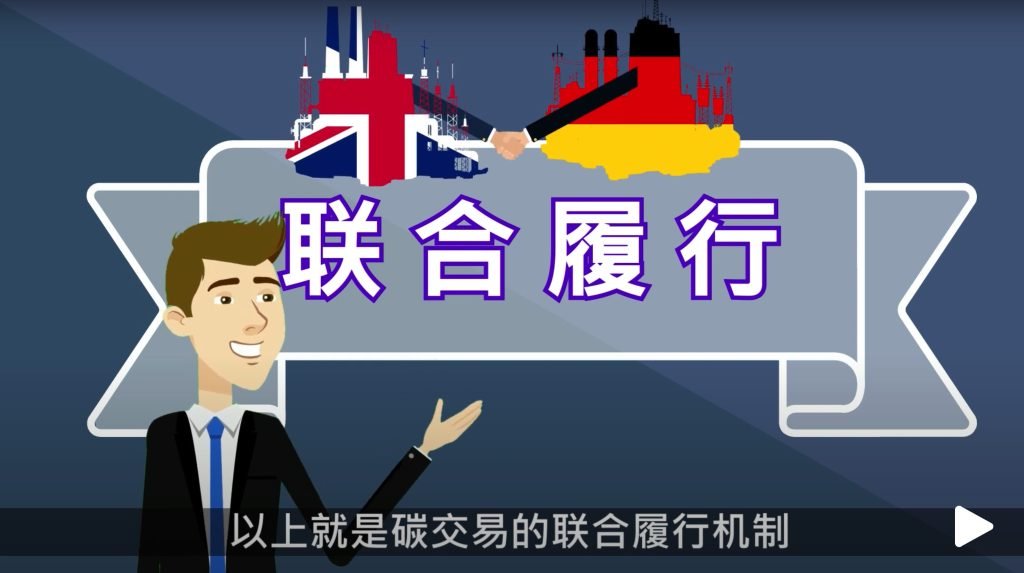
The operation principle of Joint Implementation, as stipulated, discusses the relationships among all industrialized countries and does not involve the participation of developing countries. After calculation, it is determined that industrialized countries with greenhouse gas reduction commitments obtain emission reduction credit certificates through trading from another industrialized country’s emission reduction project.

What is Carbon Trading: Part Four – Joint Implementation Mechanism Read More »

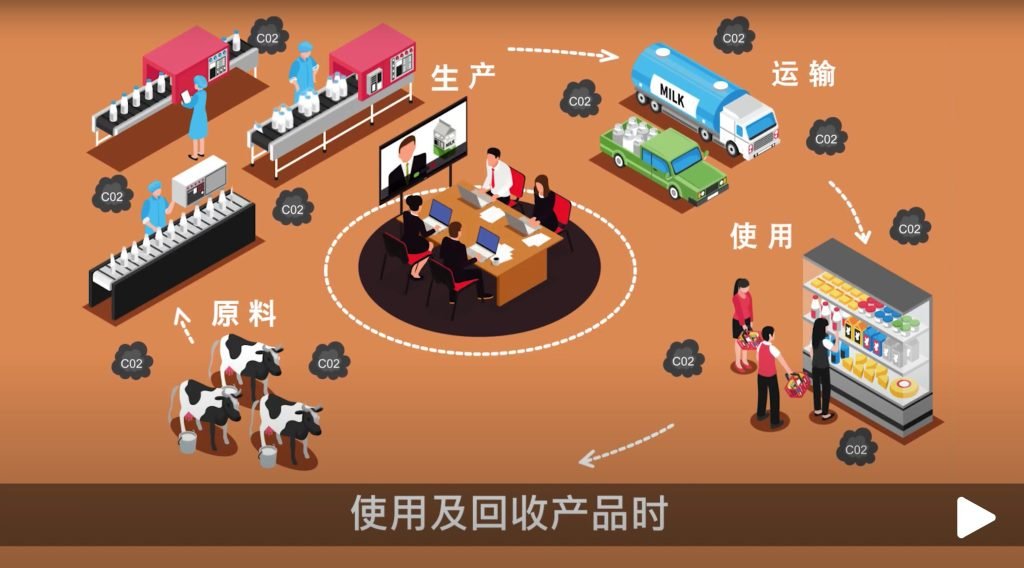
Things to Know About Carbon Trading (Carbon Emissions, Carbon Footprint, Carbon Auditing, Audit, Emission Reduction)

Due to the continuous increase in carbon emissions from human activities, there has been a significant threat to the environment. Measurement of carbon footprints through carbon auditing and carbon inventory is essential. Therefore, assessing the state of carbon emissions control before and the results of carbon reduction provide a reliable foundation for confirmation.

Things to Know About Carbon Trading (Carbon Emissions, Carbon Footprint, Carbon Auditing, Audit, Emission Reduction) Read More »

Things to Know About Carbon Trading (Emissions Reduction Management + Measurement Units + Carbon Trading + Carbon Credits)

Carbon credits, also known as carbon allowances, refer to carbon emissions measurement units obtained by countries or businesses through increased energy efficiency, pollution reduction, or reduced development, certified by the United Nations or accredited emissions reduction organizations, allowing them to participate in the carbon trading market.

Things to Know About Carbon Trading (Emissions Reduction Management + Measurement Units + Carbon Trading + Carbon Credits) Read More »

What are the carbon investment-related products? + Carbon trading market…

After the introduction of legal regulations in carbon trading markets based on carbon emissions quotas, the carbon emissions allowances of various countries have become a scarce resource, thus possessing commodity value and the potential for trading. This has ultimately given rise to a carbon trading market primarily centered around carbon dioxide emissions rights.

What are the carbon investment-related products? + Carbon trading market… Read More »

Scroll to Top